What Are Pregnancy Scans?
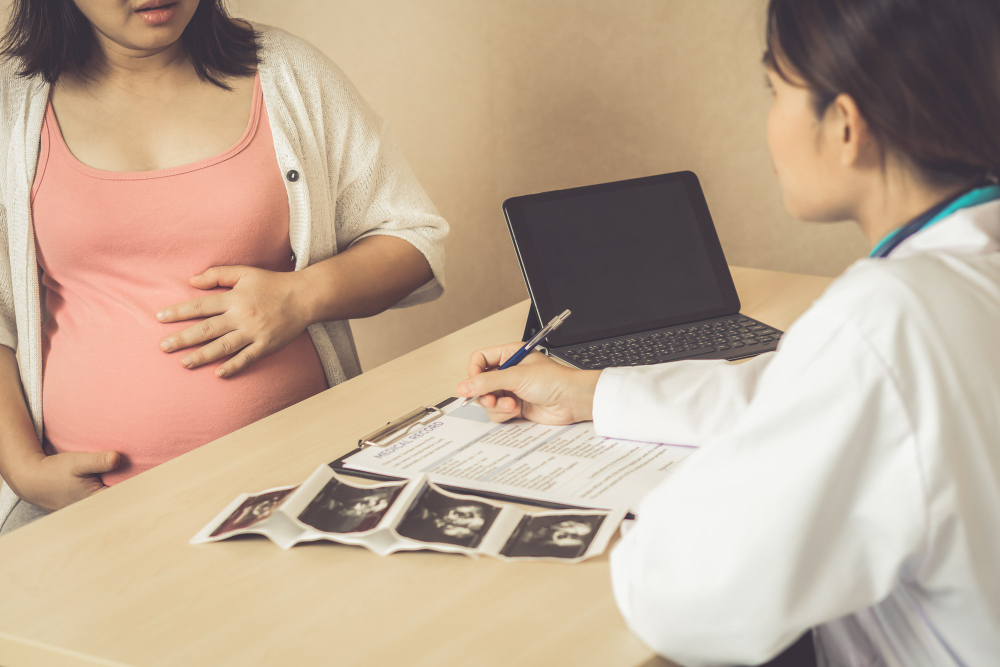
Pregnancy scans are special tests that use sound waves to create pictures of a baby inside the womb. These scans, often called ultrasounds, help doctors check the baby’s growth and health. In fact, pregnancy scans are a common part of prenatal care. Many parents have questions about these scans, and some myths can cause worry. However, understanding the truth about prenatal scans can help you feel more confident during pregnancy.
Why Are Pregnancy Scans Important?
Pregnancy scans give doctors important information about your baby’s development. For example, they can show if the baby is growing well or if there are any problems. Also, these scans help check the baby’s heartbeat and position. Because of this, doctors can make sure both mother and baby are healthy. According to the World Health Organization (WHO), regular scans are a safe way to monitor pregnancy.
Common Myths About Pregnancy Scans
Safety and Accuracy of Pregnancy Scans
Many people ask, “Are pregnancy scans safe?” The answer is yes. When done by trained staff, ultrasounds are very safe. They do not use harmful radiation. In addition, they are accurate for checking the baby’s growth and heartbeat. However, no test is perfect. Sometimes, a scan may miss a small problem. Still, the benefits of regular scans are much greater than the risks. Trusted sources like WHO and CDC support the use of prenatal scans for most pregnancies.
When and How Often Should You Get a Pregnancy Scan?
Doctors usually suggest at least two scans during pregnancy. The first scan often happens in the first trimester, around 8 to 14 weeks. This scan checks the baby’s age and heartbeat. The second scan is usually between 18 and 22 weeks. It looks at the baby’s organs and growth. Sometimes, more scans are needed if there are concerns. Always follow your doctor’s advice about when to get a pregnancy scan.
Reliable Information Sources
It is important to get facts from trusted sources. For example, the World Health Organization (WHO) and the Centers for Disease Control and Prevention (CDC) offer clear information about pregnancy scans. You can also ask your doctor or nurse for advice. Avoid believing rumors or unproven stories online. Instead, rely on experts for the truth about prenatal scans and ultrasound myths in pregnancy.
In summary, pregnancy scans are safe, helpful, and important for both mother and baby. If you have questions, consult a qualified healthcare provider for personalized advice about pregnancy scans.