
What Is a Mammogram?
A mammogram is a special X-ray of the breast. Doctors use it to look for early signs of breast cancer. Often, mammogram screening can find changes before you feel a lump. Because of this, mammograms are a key tool for breast health.
Why Are Mammograms Important?
Early detection saves lives. In fact, mammograms can spot cancer early, when it is easier to treat. According to the CDC, regular mammogram screening lowers the risk of dying from breast cancer. For many women, this test offers peace of mind.
Who Should Get a Mammogram?
Most experts suggest women start regular mammograms at age 40 or 50. However, your doctor may advise earlier screening if you have a family history of breast cancer. For example, women with certain risk factors may need more frequent tests. Always talk to your healthcare provider about the best plan for you.
How to Prepare for a Mammogram
Getting ready for a mammogram is simple. Still, a few steps can help:
Because these steps make the process smoother, you will feel more at ease.
What Happens During the Procedure?
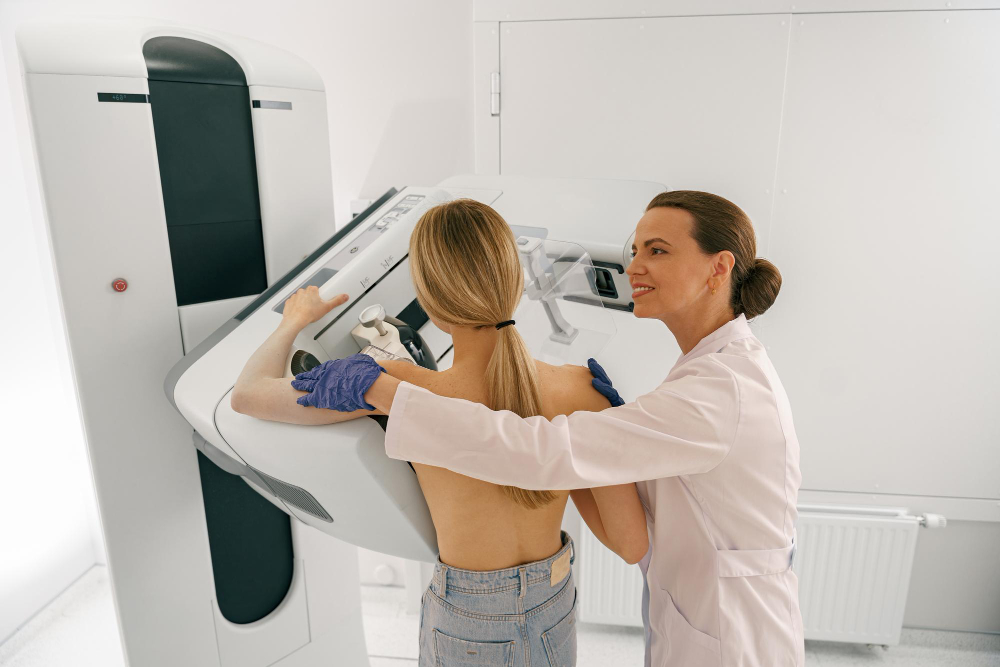
During a mammogram, a technician will help you place one breast at a time on a flat surface. Next, a plastic plate gently presses your breast to spread the tissue. Although this may feel uncomfortable, it only lasts a few seconds. The machine takes X-ray images from different angles. After both breasts are done, you can get dressed and leave. Most appointments take about 20 minutes.
Benefits and Potential Risks
Mammogram benefits are clear. For example, they help find breast cancer early. This means treatment can start sooner. Also, mammograms can find other breast changes that may need attention. However, there are some risks:
Even so, experts agree that the benefits of mammogram screening outweigh the risks for most women.
Safety and Common Myths
Mammogram safety is a common concern. Yet, the amount of radiation used is very low. According to the WHO, mammograms are safe for most women. Still, some myths persist. For instance, some believe mammograms cause cancer, but studies show this is not true. Others think the test is always painful. In reality, most women feel only mild discomfort.
Tips for a Comfortable Experience
Although mammograms can feel awkward, these tips may help:
With these tips, your mammogram can be more comfortable.
Frequently Asked Questions
In summary, mammograms are a safe and important tool for breast health. They help find problems early, when treatment works best. Consult a healthcare provider for personalized advice about mammograms.