
Introduction: What Is a Fetal Cardiac Scan?
A fetal cardiac scan, also called fetal echocardiography, is a special ultrasound. It checks your baby’s heart while still in the womb. In many cases, doctors recommend this scan for certain reasons. Understanding the indications for fetal cardiac scan helps parents know when and why it is needed. This test is safe and painless for both mother and baby.
Why Fetal Cardiac Scans Are Important
Fetal cardiac scans help doctors spot heart problems early. Early detection means better planning for care after birth. Sometimes, heart defects can be treated before or soon after delivery. Because of this, knowing about heart issues early can make a big difference. According to the CDC, about 1 in 100 babies are born with a heart defect. Therefore, these scans can help families prepare and make informed choices.
Primary Indications for Fetal Cardiac Scan
Doctors may suggest a fetal cardiac scan for several reasons. Below are the most common indications for fetal cardiac scan:
For all these reasons, doctors use fetal cardiac scans to get a clear picture of the baby’s heart health.
How the Scan Is Performed
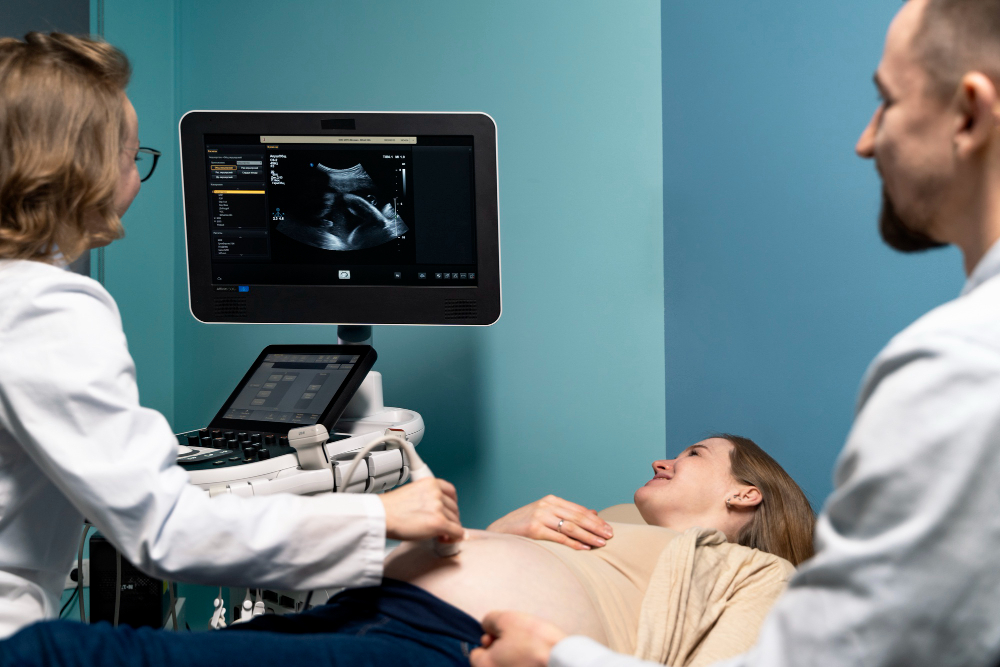
Usually, a fetal cardiac scan is done between 18 and 24 weeks of pregnancy. During the scan, a trained specialist uses a small device called a transducer. This device sends sound waves to create images of the baby’s heart. The scan takes about 30 to 60 minutes. Most often, you will lie on your back while the technician moves the transducer over your belly. The process is safe and does not use any radiation.
What to Expect During the Procedure
Before the scan, you may be asked to drink water to fill your bladder. This can help get clearer images. During the scan, you might feel some pressure, but it should not hurt. The room is usually dim so the images show up well on the screen. Sometimes, the technician may ask you to change positions. After the scan, you can return to your normal activities right away. The doctor will explain the results and answer your questions.
When to Consult a Doctor
If your doctor suggests a fetal cardiac scan, it is important to follow their advice. However, you should also ask about a scan if:
Early consultation helps ensure the best care for you and your baby.
Frequently Asked Questions (FAQs)
Conclusion and Next Steps
In summary, knowing the indications for fetal cardiac scan helps expecting parents make informed choices. If you have any concerns or risk factors, talk to your doctor. Early detection of heart problems can improve outcomes for your baby. Consult your healthcare provider or a radiology specialist for personalized advice about fetal cardiac scans.