
Introduction
Magnetic Resonance Imaging, or MRI, is a powerful tool for finding muscle and bone injuries. Doctors often use MRI for sports injuries, muscle tears, and bone fractures. Unlike X-rays, MRI scans show soft tissues and bones in great detail. Because of this, MRI is crucial for diagnosing muscle and bone injuries quickly and accurately. Early diagnosis helps doctors plan the best treatment. In many cases, an MRI scan for muscle tears or bone fractures can reveal problems that other tests might miss. This makes MRI a top choice for both doctors and patients.
What is an MRI?
An MRI is a type of scan that uses strong magnets and radio waves. It creates detailed pictures of the inside of your body. Unlike X-rays, MRI does not use harmful radiation. Instead, it shows muscles, bones, and other tissues clearly. For this reason, doctors often choose MRI for muscle and bone injuries. The scan is painless and usually takes less than an hour.
How MRI Works for Muscle and Bone Injuries
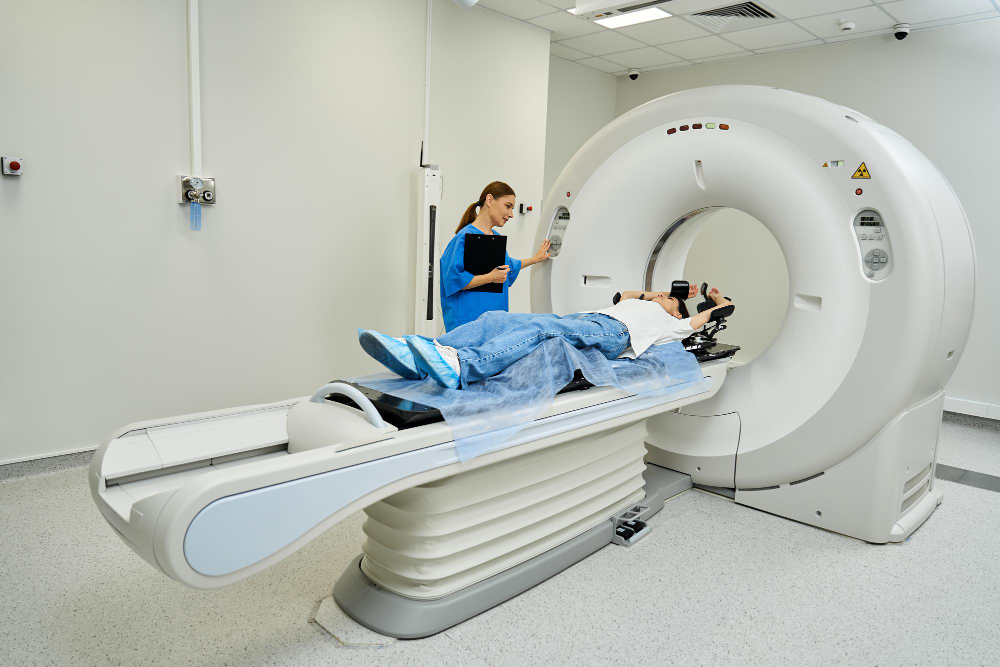
During an MRI, you lie still inside a large, tube-shaped machine. The machine uses magnets to send signals through your body. These signals bounce back and create images of your muscles and bones. Because MRI can see soft tissues, it can spot muscle tears, ligament injuries, and bone bruises. For example, MRI for sports injuries helps doctors see damage that X-rays cannot show. This means you get a more complete diagnosis.
Key Benefits of MRI Over Other Imaging Methods
Because of these benefits, MRI is often the first choice for diagnosing muscle and bone injuries.
Common Muscle and Bone Injuries Diagnosed by MRI
MRI scans help doctors find many types of injuries. Some common problems include:
For example, MRI for sports injuries is very helpful for athletes. It helps doctors see the full extent of the damage and plan the right treatment.
What to Expect During an MRI Scan
Before the scan, you may need to remove metal objects, such as jewelry. You will lie on a table that slides into the MRI machine. The scan is painless, but you must stay still. Sometimes, the machine makes loud noises, but you can wear earplugs. The scan usually takes 30 to 60 minutes. Afterward, you can go home and return to normal activities. Your doctor will review the images and explain the results.
Safety and Precautions
MRI is safe for most people. However, some people with metal implants, pacemakers, or certain medical devices cannot have an MRI. Always tell your doctor about any metal in your body. Pregnant women should also talk to their doctor before having an MRI. According to the World Health Organization (WHO), MRI is safe when used properly. For most injuries, the benefits of MRI far outweigh the risks.
Prevention and Recovery Tips
While MRI helps diagnose injuries, it is also important to prevent them. Here are some simple tips:
After an injury, follow your doctor’s advice for recovery. This may include rest, physical therapy, or follow-up MRI scans to check healing.
Conclusion
In summary, MRI is crucial for diagnosing muscle and bone injuries. It gives clear, detailed images that help doctors find the exact problem. Because MRI is safe and accurate, it is often the best choice for sports injuries, muscle tears, and bone fractures. Consult a radiology specialist to learn if an MRI is right for your injury.