
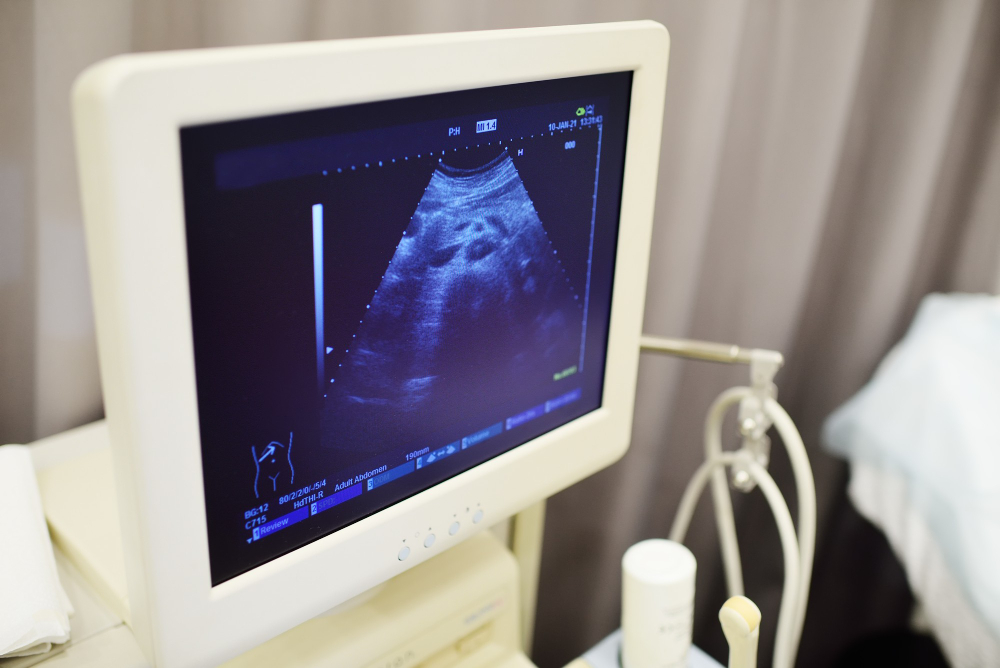
What Is an Anomaly Scan?
An anomaly scan is a detailed ultrasound done during pregnancy. Usually, doctors perform this scan between 18 and 22 weeks. It is also called a second trimester ultrasound. The main goal is to check the baby’s growth and spot any problems early. Many parents look forward to this scan because it gives important information about the baby’s health.
Why Is an Anomaly Scan Important?
First, an anomaly scan helps doctors find birth defects or health issues in the baby. Early detection allows for better planning and care. In addition, this scan checks the baby’s organs, bones, and overall growth. According to the World Health Organization (WHO), early scans can improve outcomes for both mother and baby.
When and How Is the Anomaly Scan Performed?
Doctors usually recommend the anomaly scan during the second trimester, between 18 and 22 weeks of pregnancy. At this stage, the baby’s organs are developed enough to be seen clearly. During the scan, a trained sonographer uses a special gel and a handheld device called a transducer. The device moves over your belly to create images of the baby. The procedure is safe, painless, and takes about 30 to 45 minutes.
What Does the Anomaly Scan Detect?
The anomaly scan checks for many things, including:
Moreover, the scan can spot some genetic conditions and physical differences. However, not all problems can be seen with this test.
How to Prepare for an Anomaly Scan
Preparing for an anomaly scan is simple. In most cases, you do not need to fast. However, some clinics may ask you to drink water before the scan. A full bladder can help get clearer images. Always follow your clinic’s instructions. Wear comfortable clothing, as you may need to expose your belly for the scan.
What to Expect During and After the Scan
During the scan, you will lie on your back. The sonographer will apply gel to your belly and move the transducer over your skin. You may see images of your baby on a screen. The process is painless, but you might feel slight pressure. After the scan, you can wipe off the gel and return to normal activities. Your doctor will discuss the results with you, usually within a few days.
Benefits and Limitations of the Anomaly Scan
The anomaly scan offers many benefits:
However, there are some limitations:
Even so, most experts agree that the benefits outweigh the risks.
Frequently Asked Questions About Anomaly Scans
Safety and Reliability
The anomaly scan is a reliable tool for checking your baby’s health. According to the Centers for Disease Control and Prevention (CDC), ultrasound scans are safe when used by trained professionals. While the scan is very accurate, it cannot detect every problem. Still, it gives valuable information for your pregnancy care.
When to Consult a Healthcare Provider
If you have questions or concerns about the anomaly scan, talk to your healthcare provider. You should also contact your doctor if you notice unusual symptoms during pregnancy. Early advice can help keep you and your baby healthy.
For personalized advice about anomaly scans, consult a healthcare provider.