
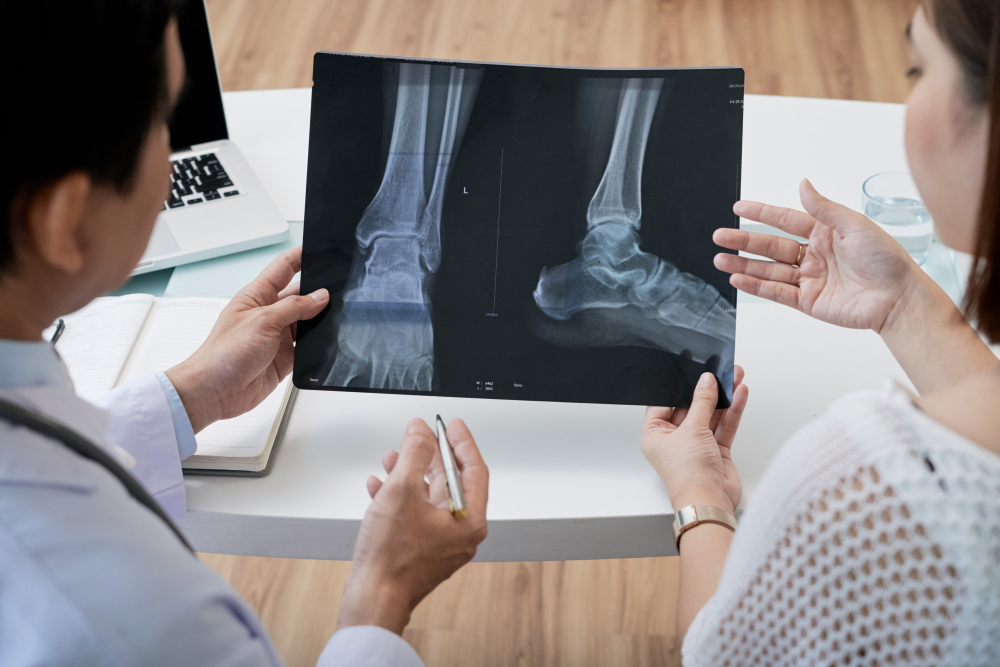
What Is a Bone Density Scan (DEXA)?
A bone density scan (DEXA) is a simple test. It measures how strong your bones are. Doctors use it to check for osteoporosis. Osteoporosis is a condition where bones become weak and break easily. With a DEXA scan, you can find out if your bones are at risk before a fracture happens. This test is quick, safe, and does not hurt. Many people call it a bone density test or osteoporosis screening.
Why Early Detection of Osteoporosis Matters
Early detection is very important. If you find osteoporosis early, you can take steps to protect your bones. For example, you can change your diet, start new exercises, or take medicine. Without early screening, you might not know you have weak bones until you break one. According to the World Health Organization, osteoporosis causes millions of fractures each year. However, a DEXA scan can help you avoid this risk.
How the DEXA Scan Works
During a DEXA scan, you lie on a table. A special machine passes over your body. It uses low-dose X-rays to measure bone strength. The scan usually takes about 10 to 20 minutes. Most often, doctors check your hip and spine. These areas are most likely to break if you have osteoporosis. Because the scan uses very little radiation, it is safe for most people.
Who Should Get a Bone Density Scan?
Not everyone needs a DEXA scan. Still, some people are at higher risk for osteoporosis. You may need a bone density test if you:
Even if you are younger, your doctor may suggest a scan if you have risk factors. For example, if you smoke or have low body weight, you may need screening sooner.
Preparing for Your DEXA Scan: What to Expect
Getting ready for a DEXA scan is easy. Most people do not need to do anything special. However, you should:
During the scan, you will lie still on the table. The test is painless and quick. Afterward, you can return to your normal activities right away.
Understanding Your Results
After your DEXA scan, you will get a score. This is called a T-score. It compares your bone strength to that of a healthy young adult. Here is what the scores mean:
Your doctor will explain your results. If your bones are weak, you can start treatment to help prevent fractures. Sometimes, your doctor may suggest another scan in a few years to check for changes.
Preventing Osteoporosis: Lifestyle and Next Steps
Even if your bones are healthy, you can take steps to keep them strong. For example, you can:
In summary, a bone density scan (DEXA) is a valuable tool. It helps detect osteoporosis before a fracture happens. Early screening and healthy habits can protect your bones for life.
Consult a healthcare specialist to learn if a bone density scan is right for you.