Introduction
A carotid doppler is a simple, safe test that checks blood flow in the neck arteries. These arteries, called carotid arteries, carry blood to your brain. Because healthy blood flow is vital, this test can help prevent serious problems like stroke. Many doctors recommend a carotid doppler test if you have certain risk factors. Early detection can make a big difference.
What is a Carotid Doppler?
A carotid doppler, also known as a carotid artery ultrasound or carotid doppler scan, uses sound waves to create pictures of your neck arteries. The test shows how well blood moves through these arteries. Unlike X-rays, it does not use radiation. Instead, it uses a small device called a transducer. This device sends sound waves into your neck and records the echoes. As a result, doctors can see if there are any blockages or narrowing in your arteries.
Why is a Carotid Doppler Performed?
Doctors use a carotid doppler to look for problems that could lead to a stroke. For example, if you have high blood pressure, diabetes, or a family history of stroke, your doctor may suggest this test. Other reasons include:
Because the test is quick and painless, it is often used as a first step in stroke prevention.
How is the Procedure Done?
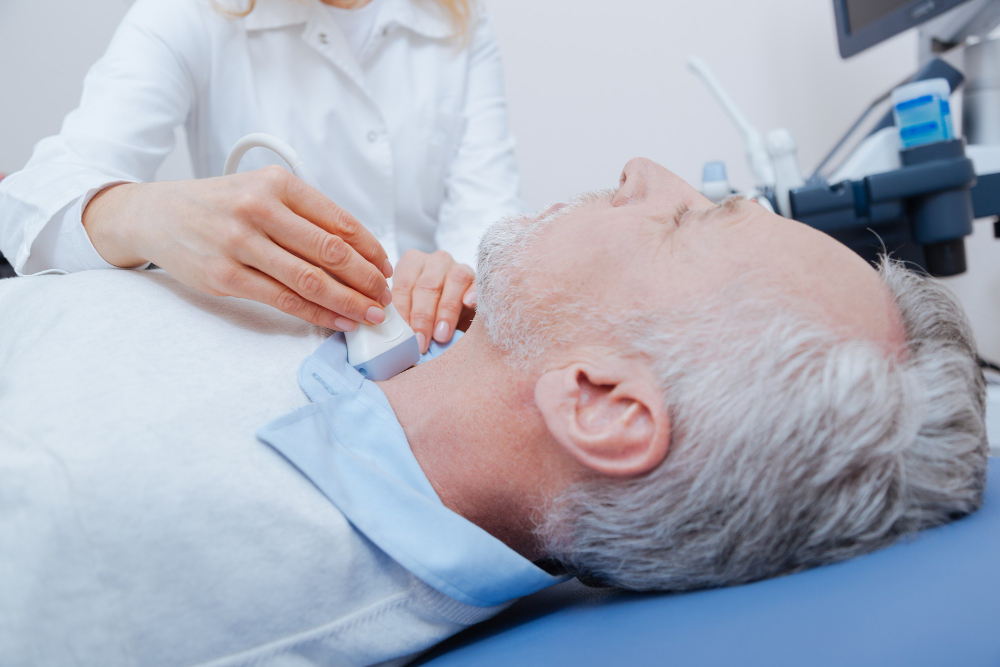
The carotid doppler procedure is simple and does not require surgery. First, you will lie on your back. Next, a technician applies a special gel to your neck. Then, the transducer is moved gently over the skin. The device sends sound waves and collects the echoes. These echoes create images on a screen. The whole carotid doppler scan usually takes about 30 minutes.
What to Expect During the Test
During the carotid doppler test, you will feel the cool gel on your neck. The technician may ask you to turn your head or hold your breath for a few seconds. However, you should not feel any pain. Most people find the test comfortable. After the scan, the gel is wiped off, and you can return to normal activities right away.
Understanding the Results
After the carotid doppler scan, a doctor reviews the images. The results show if your arteries are clear or if there are any narrow spots or blockages. If the test finds a problem, your doctor will discuss next steps. Sometimes, more tests or treatments are needed. On the other hand, if your arteries are healthy, you may only need regular checkups.
Risks and Safety
Carotid doppler tests are very safe. Because they use sound waves, there is no exposure to radiation. Side effects are rare. Some people may feel slight pressure from the transducer, but this is mild. According to the CDC and WHO, ultrasound tests like this are safe for most people. Still, always tell your doctor about any health concerns before the test.
Preparation and Aftercare
Preparing for a carotid doppler is easy. Usually, you do not need to fast or stop taking medicines. However, your doctor may give you special instructions. On the day of the test:
After the test, you can go back to your normal routine. There is no recovery time needed.
Frequently Asked Questions
Conclusion and Next Steps
In summary, a carotid doppler is a safe, easy way to check blood flow in your neck arteries. Because early detection can prevent strokes, this test is important for many people. If your doctor suggests a carotid doppler, do not worry. The procedure is quick and comfortable. For personalized advice about carotid doppler tests, consult a healthcare specialist.