
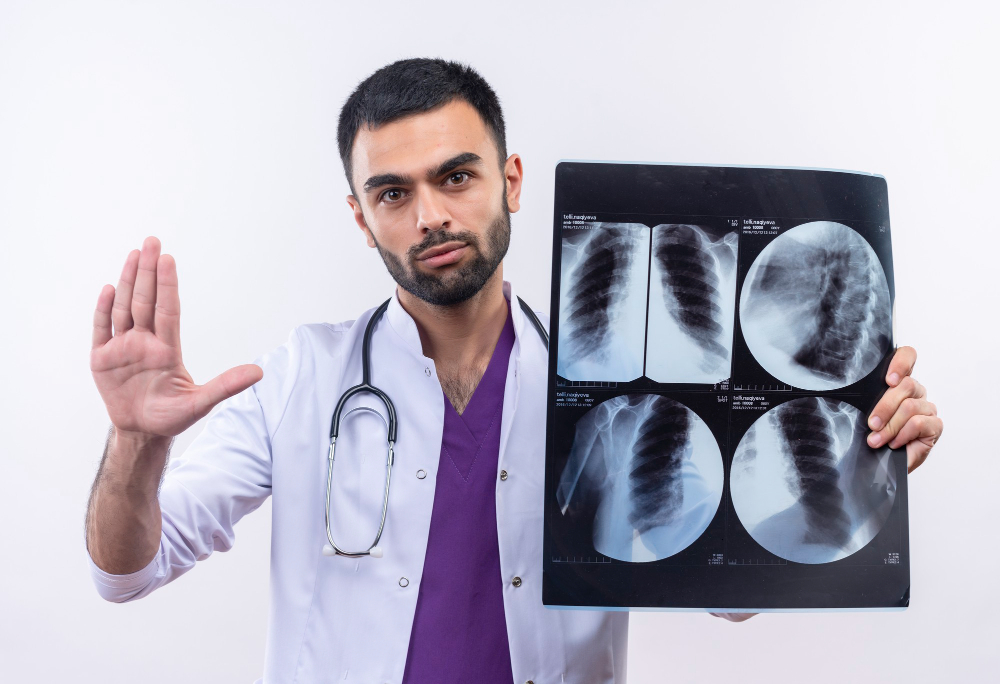
What Is a CT Chest Scan?
A CT chest scan is a special type of X-ray. It uses a computer and rotating X-ray machine to create detailed pictures of your chest. These images show your lungs, heart, blood vessels, and other chest structures. Doctors often use a CT chest scan to find problems that regular X-rays might miss. Because the scan is quick and clear, it helps doctors make fast and accurate decisions.
Common Reasons for a CT Chest Scan
Doctors may suggest a CT chest scan for many reasons. For example, it can help find the cause of chest pain or breathing problems. Sometimes, it is used to check for infections or injuries. In addition, a CT scan can help spot tumors or growths in the lungs. Here are some common reasons when a CT chest scan is recommended:
Many people search for a “CT chest scan near me” when their doctor suggests this test.
Symptoms That May Lead to a CT Chest Scan
Doctors look for certain symptoms before ordering a CT chest scan. For instance, if you have sudden chest pain, a scan may help find the cause. Other times, ongoing symptoms can also lead to this test. Below are some symptoms that may lead to a CT scan for chest pain or other issues:
Because these symptoms can be serious, doctors use a CT chest scan to get clear answers quickly.
How Doctors Decide If You Need a CT Chest Scan
Doctors follow clear steps to decide if you need a CT chest scan. First, they ask about your symptoms and medical history. Next, they may do a physical exam. If your symptoms are not clear, doctors might order other tests first, like a chest X-ray. However, if those tests do not explain your symptoms, a CT scan may be the next step. In many cases, doctors use guidelines from trusted groups like the CDC or WHO to help make this choice. They also consider your age, risk factors, and any past health problems.
What to Expect During the Procedure
Knowing what happens during a CT chest scan can help you feel at ease. Usually, the scan takes about 10 to 30 minutes. When you arrive, a staff member will ask you to lie on a table. The table slides into a large, donut-shaped machine. Sometimes, you may get a special dye through a vein to help show details. While the scan is happening, you will need to stay still. The machine may ask you to hold your breath for a few seconds. After the scan, you can usually go home right away. Most people find the CT chest scan procedure quick and painless.
Safety and Risks of CT Chest Scans
CT chest scans are generally safe. However, they do use a small amount of radiation. For most people, the benefits outweigh the risks. But, doctors try to limit how often you get these scans. If you are pregnant or think you might be, tell your doctor before the scan. In some cases, the dye used for the scan can cause mild side effects, like a warm feeling or a strange taste. Rarely, people may have an allergic reaction to the dye. Still, medical teams watch closely for any problems. According to the CDC and WHO, CT scans are safe when used properly.
How to Prepare for a CT Chest Scan
Getting ready for a CT chest scan is simple. Yet, following a few steps can help the process go smoothly. Here are some tips to prepare:
Because each clinic may have different rules, always check with your healthcare provider before your appointment. This way, you can feel confident and ready for your CT chest scan.