Introduction
A 64 slice cardiac CT is a special heart scan. It uses advanced X-ray technology to take detailed pictures of your heart. This non-invasive heart scan helps doctors check for heart disease. In fact, many people call it a cardiac CT angiography. With this test, doctors can see if your heart’s blood vessels are healthy. Because it is quick and painless, it is often used for heart disease diagnosis.
What Is a 64 Slice Cardiac CT?
A 64 slice cardiac CT is a type of computed tomography (CT) scan. It uses a machine that takes 64 images of your heart at once. These images create a clear, 3D picture of your heart and blood vessels. As a result, doctors can spot blockages or other problems early. This test is non-invasive, which means no surgery or long recovery time.
How Does It Work?
The 64 slice CT scanner rotates around your chest. It takes many X-ray pictures in just a few seconds. Then, a computer combines these images to show your heart in detail. Because the scan is so fast, it can capture your heart while it beats. This helps doctors see even small issues that might be missed by other tests.
Common Reasons for the Test
Doctors may suggest a 64 slice cardiac CT for several reasons. For example, you might need this test if you have:
Sometimes, doctors use this scan to check your heart before surgery. It can also help monitor known heart conditions.
Preparation Steps for Patients
Before your 64 slice cardiac CT, your doctor will give you clear instructions. Usually, you should:
Sometimes, you may need to take medicine to slow your heart rate. This helps get clearer pictures.
What to Expect During the Scan
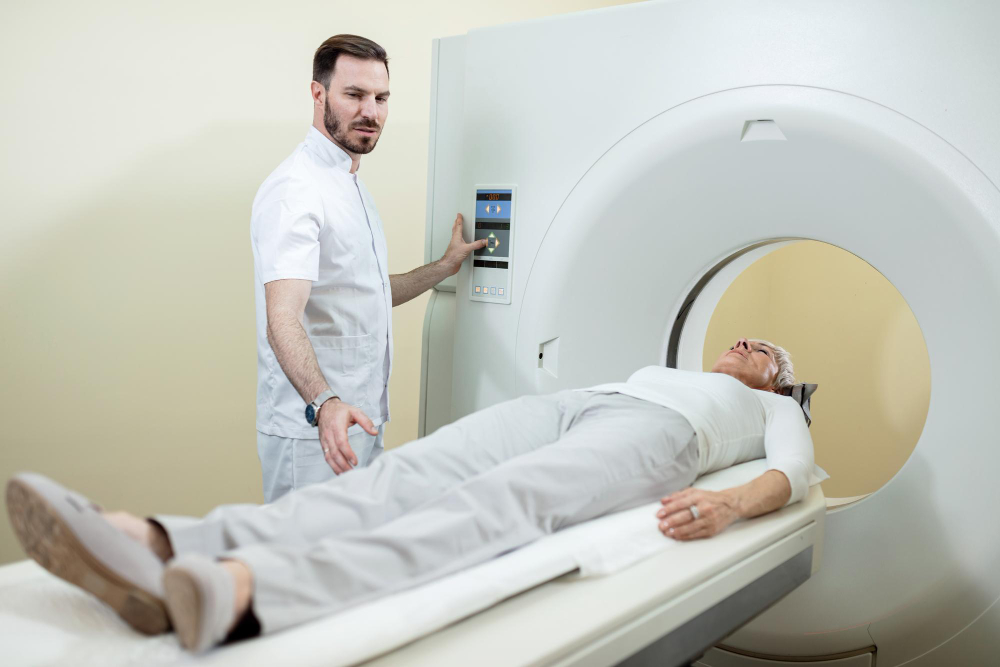
When you arrive, a nurse may place an IV in your arm. This is for the contrast dye, which helps highlight your heart’s blood vessels. Next, you will lie on a table that slides into the CT scanner. The scan itself takes only a few minutes. You may be asked to hold your breath for short periods. After the scan, you can usually go home right away.
Benefits and Risks
There are many benefits to a 64 slice cardiac CT:
However, there are some risks. For instance, you are exposed to a small amount of radiation. Some people may react to the contrast dye. But, serious side effects are rare. The benefits often outweigh the risks, especially when heart disease is suspected. According to the CDC, early detection can save lives.
How Results Are Interpreted
After your scan, a radiologist reviews the images. They look for signs of blocked arteries or other heart issues. Then, they send a report to your doctor. Your doctor will explain the results and discuss next steps. Sometimes, more tests or treatments may be needed. But often, the scan gives enough information to make a clear plan.
Frequently Asked Questions
Prevention and Lifestyle Tips for Heart Health
While a 64 slice cardiac CT helps diagnose problems, it is best to keep your heart healthy. You can lower your risk of heart disease by:
Because small changes add up, start with one healthy habit today.
Conclusion
A 64 slice cardiac CT is a safe, non-invasive way to check your heart. It helps doctors find problems early and plan the right treatment. If you have questions or think you may need this test, consult a radiologist or your healthcare provider to learn if a 64 slice cardiac CT is right for you.