
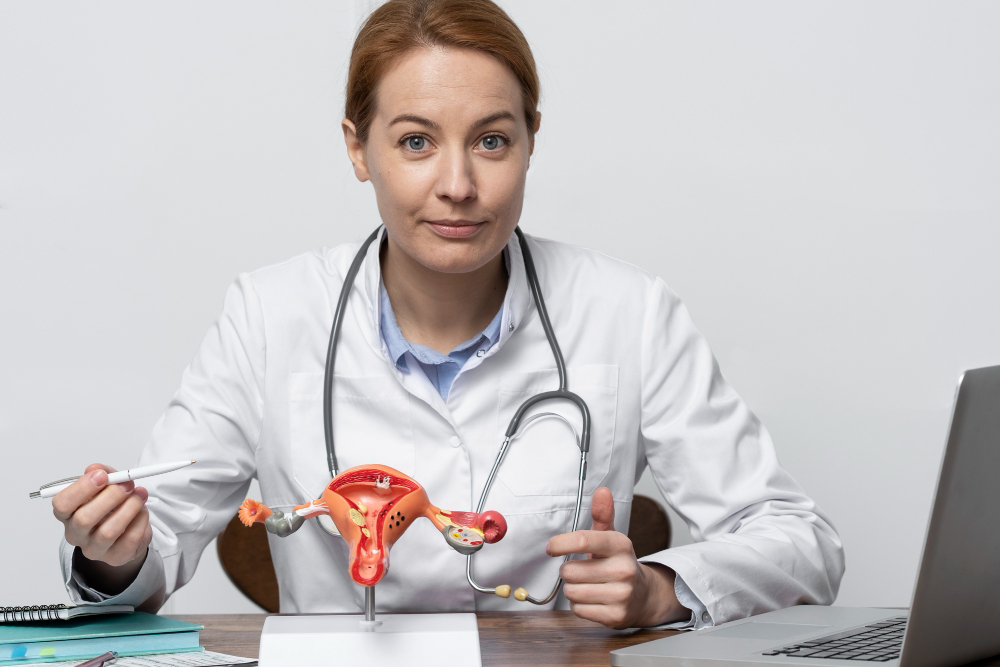
Introduction to Endometriosis Awareness
Endometriosis Awareness is important for women’s health. Many people do not know about this condition. However, it affects millions worldwide. Early knowledge helps in spotting signs of endometriosis. With awareness, women can seek help sooner. This blog explains what endometriosis is, its symptoms, and how it is diagnosed. We also discuss treatment options for endometriosis and ways to live well with the condition.
What is Endometriosis?
Endometriosis is a health problem where tissue, like the lining inside the uterus, grows outside it. This tissue can cause pain and other issues. Usually, it affects the ovaries, fallopian tubes, and the area around the uterus. Although it is not cancer, it can still cause serious discomfort. According to the World Health Organization (WHO), about 10% of women of childbearing age have endometriosis.
Common Symptoms
Recognizing the signs of endometriosis is key. Not everyone has the same symptoms. Still, some are more common than others. For example, many women feel pain during their periods. Others may have pain during sex or while using the bathroom. Here are some common symptoms:
Sometimes, symptoms are mild. But for others, they can be severe. If you notice these signs, it is wise to talk to a doctor.
Causes and Risk Factors
Doctors are still learning about what causes endometriosis. However, several factors may raise the risk. For instance, having a family member with endometriosis increases your chances. Other possible risk factors include:
Even though these factors may increase risk, anyone can develop endometriosis. Therefore, being aware of the symptoms is important for everyone.
How Endometriosis is Diagnosed
Diagnosing endometriosis can take time. Many women wait years before getting a clear answer. Doctors start by asking about your symptoms and medical history. Next, they may do a pelvic exam. However, endometriosis cannot always be seen this way.
Often, doctors use imaging tests. For example, an ultrasound can help spot cysts linked to endometriosis. Sometimes, MRI scans give more detail. In some cases, a minor surgery called laparoscopy is needed. During this, a doctor looks inside the belly with a small camera. This is the only way to confirm endometriosis for sure. Radiology plays a key role in diagnosing endometriosis, as it helps doctors see inside the body without surgery.
Treatment Options
Treatment options for endometriosis depend on your symptoms and plans for having children. Not everyone needs the same treatment. Some common options include:
Your doctor will help choose the best treatment for you. Sometimes, a mix of treatments works best. For many, treatment helps manage pain and improve quality of life.
Lifestyle Tips and Support
Living with endometriosis can be hard. Yet, there are ways to make life easier. For example, regular exercise may help reduce pain. Eating a balanced diet can also support your health. Here are some helpful tips:
Remember, you are not alone. Many women face the same challenges. Support from family, friends, and groups can make a big difference.
Prevention and Early Detection
There is no sure way to prevent endometriosis. However, early detection can help manage symptoms sooner. If you notice pain or other signs, do not wait. See a doctor for advice. Regular check-ups can also help catch problems early. Although you cannot control all risk factors, knowing your family history may help you stay alert.
These resources offer up-to-date facts, tips, and ways to connect with others. They can help you learn more about living with endometriosis.
If you suspect endometriosis, consult a healthcare specialist for personalized advice.