
Introduction
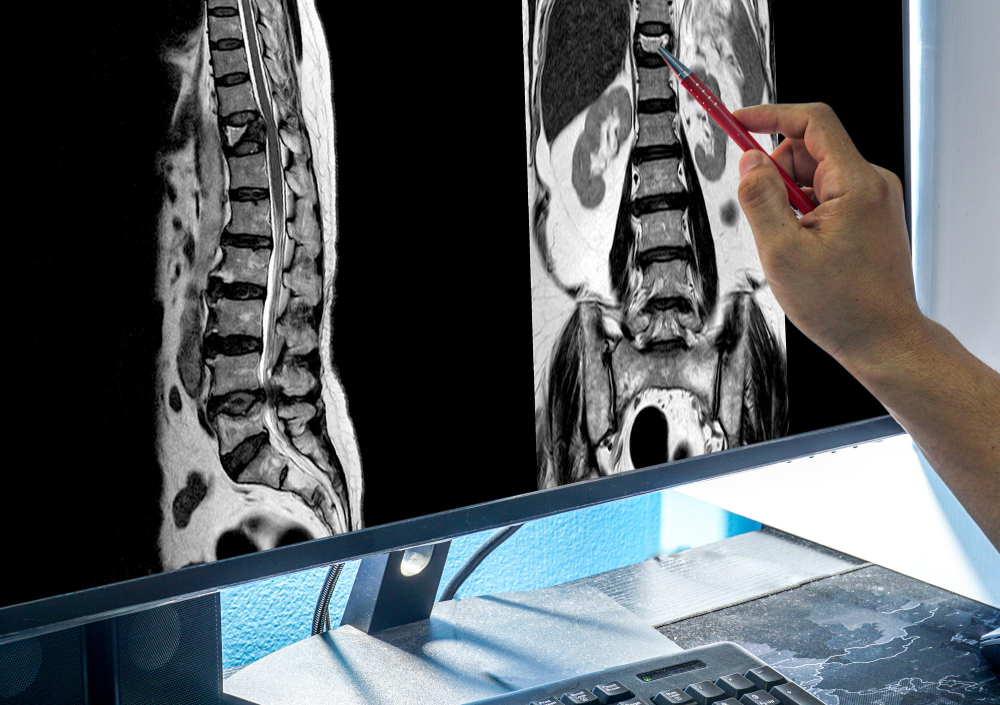
An MRI lumbosacral spine scan is a safe way to look at the lower back. Doctors often use this test to find the cause of back pain or nerve problems. Because it gives clear images, the MRI lumbosacral spine procedure helps doctors make better decisions. In this blog, you will learn what to expect, how to prepare, and what your results may mean.
What is an MRI of the Lumbosacral Spine?
An MRI, or Magnetic Resonance Imaging, uses magnets and radio waves to create pictures of your lower back. The lumbosacral spine includes the lower part of your spine and the sacrum, which is the bone at the base. Unlike X-rays, MRI scans do not use radiation. Instead, they show soft tissues, nerves, and bones in great detail. This makes MRI scans of the lower back very useful for doctors.
Common Reasons for MRI Lumbosacral Spine
Doctors may suggest an MRI lumbosacral spine scan for several reasons. For example, you might need one if you have:
Because MRI scans show soft tissues well, they help find the cause of these symptoms quickly.
How to Prepare for the Procedure
Preparing for an MRI lumbosacral spine procedure is simple. However, you should follow these steps for a smooth experience:
Sometimes, you may need to avoid eating or drinking before the scan, especially if contrast dye is used. Always follow your doctor’s instructions.
What Happens During the MRI
During the MRI scan lower back procedure, you will lie on a table that slides into a large, tube-shaped machine. The staff will help you get comfortable. Next, you must stay very still while the machine takes pictures. You may hear loud thumping or tapping sounds, but these are normal. If you feel nervous, let the staff know. Some centers offer earplugs or music to help you relax. The scan usually takes 30 to 60 minutes. Afterward, you can go home right away.
Understanding Your MRI Results
After your MRI lumbosacral spine scan, a radiologist will review the images. Then, your doctor will explain the results to you. The report may mention:
Because MRI scans show so much detail, they help your doctor plan the best treatment. If you have questions, ask your doctor to explain the findings in simple terms.
Safety, Risks, and Contraindications
MRI lumbosacral spine scans are very safe for most people. However, there are some risks and limits. For example, people with certain metal implants or pacemakers may not be able to have an MRI. Sometimes, the contrast dye can cause mild side effects, such as nausea or a rash. Serious reactions are rare. According to the World Health Organization (WHO), MRI scans do not use harmful radiation. Always tell your doctor about any health conditions or allergies before the scan.
Frequently Asked Questions
Tips for a Comfortable MRI Experience
To make your MRI scan easier, try these tips:
Because comfort matters, do not hesitate to speak up during the scan.
When to Consult a Doctor
If you have ongoing lower back pain, numbness, or weakness, talk to your doctor. Sometimes, an MRI lumbosacral spine scan is the best way to find the cause. Early testing can lead to better treatment and faster recovery. If you have any questions about the MRI scan lower back procedure, always ask your healthcare provider.
Consult a radiologist or your healthcare provider for personalized advice regarding MRI lumbosacral spine scans.